AI and Compliance: Meeting Regulatory Requirements with Confidence
Md Sharif Foysal Shoron
Author
Regulatory compliance has become increasingly complex as businesses operate across digital platforms, industries, and geographic regions. Data protection laws, financial regulations, and industry standards impose strict requirements on how systems collect, process, and store information. As organizations adopt artificial intelligence, compliance considerations become even more critical.
AI systems influence decisions, automate processes, and analyze sensitive data at scale. Without proper controls, these capabilities can introduce compliance risks. When designed correctly, however, AI can become a powerful tool for strengthening compliance rather than undermining it.
Why Compliance Is a Major Concern for AI Systems
AI systems often operate on large datasets that include personal, financial, or confidential information. Regulations such as GDPR, data protection laws, and industry standards require transparency, accountability, and control.
Automated decision-making introduces additional scrutiny. Regulators increasingly demand explanations for how decisions are made and how bias or unfair outcomes are prevented.
How AI Can Support Compliance Efforts
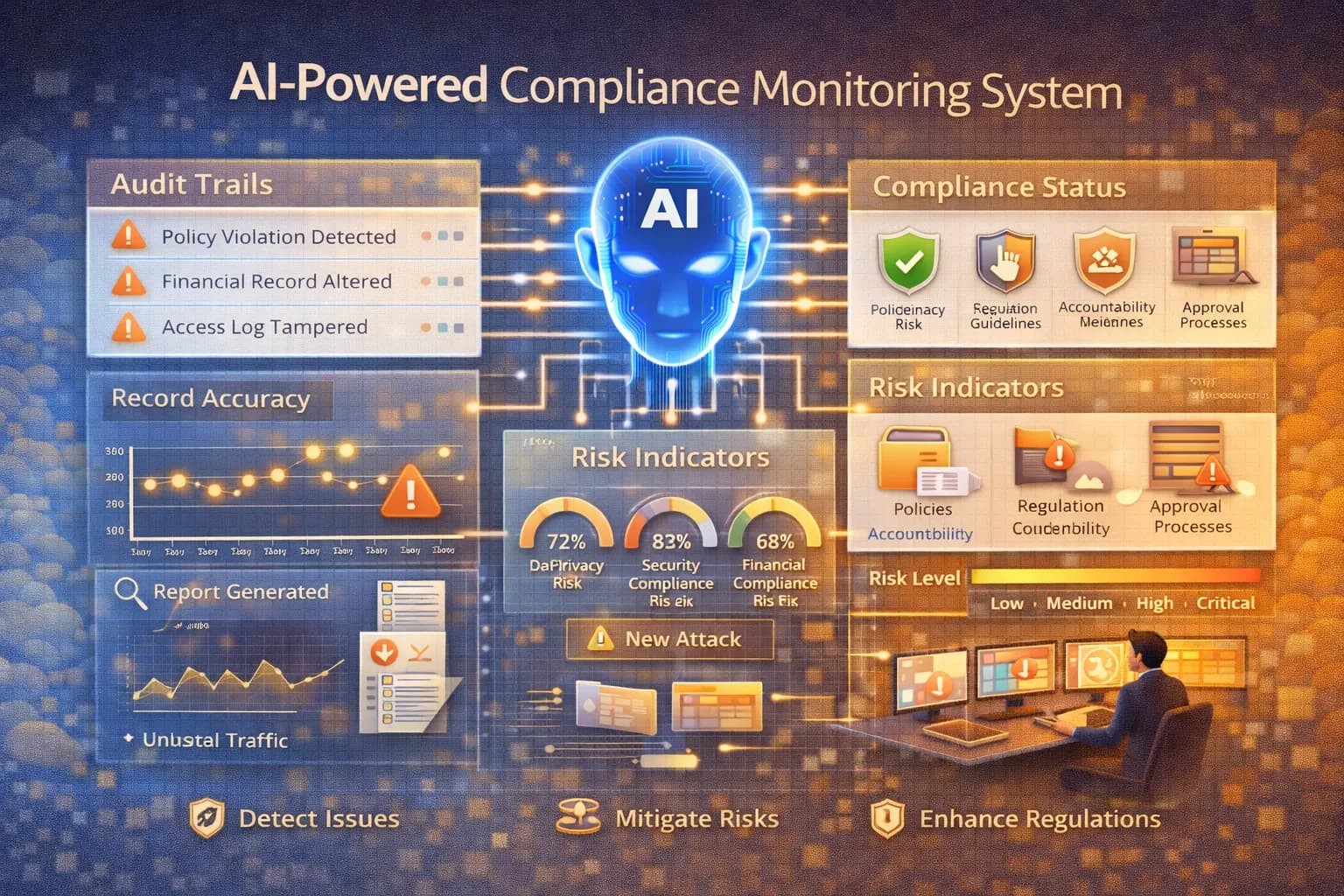
AI can assist compliance by automating monitoring, detecting violations, and improving audit readiness. Machine learning models analyze system activity continuously, identifying patterns that may indicate non-compliance.
Instead of relying on periodic manual audits, AI enables real-time compliance monitoring.
Audit Trails and Explainability
One of the key compliance requirements is traceability. AI systems must maintain detailed logs of actions, decisions, and data access.
Explainable AI techniques provide insight into model behavior, supporting regulatory review without exposing proprietary logic.
Data Governance and Access Control
Strong data governance ensures that AI systems only access appropriate data. Role-based access control, encryption, and data minimization reduce compliance risk.
Backend frameworks such as Django support these requirements through built-in authentication, permissions, and secure API design.
Bias Detection and Fairness Monitoring
Compliance increasingly includes fairness and non-discrimination requirements. AI systems must be evaluated regularly to ensure consistent outcomes across groups.
Continuous monitoring and reporting help demonstrate responsible AI usage.
Human Oversight and Governance Structures
Compliance cannot be fully automated. Human oversight ensures accountability and provides escalation paths for complex cases.
Long-Term Compliance Benefits of AI
When implemented responsibly, AI improves compliance efficiency, reduces manual workload, and increases confidence during audits and reviews.
How Square Tech IT Builds Compliance-Ready AI Systems
At Square Tech IT, we design AI systems with compliance built in from the start. Our approach combines secure backend architecture, transparent AI design, and robust auditability to help businesses meet regulatory requirements with confidence.